Glow Facial for a Youthful Look
Discover How Dermaplaning Can Transform Your Skincare Routine
Dermaplaning is gaining attention as an effective technique to enhance skincare routines. This treatment includes exfoliating the skin by clearing away dead cells and fine vellus hair. Many are intrigued by its potential to enhance product absorption and create a smoother find this resource makeup application. Yet, questions emerge about its positive effects, frequency, and proper aftercare. Grasping these aspects could significantly impact one's skincare journey. What should individuals know before considering this treatment?
Understanding Dermaplaning: What Is It and How Does It Work?
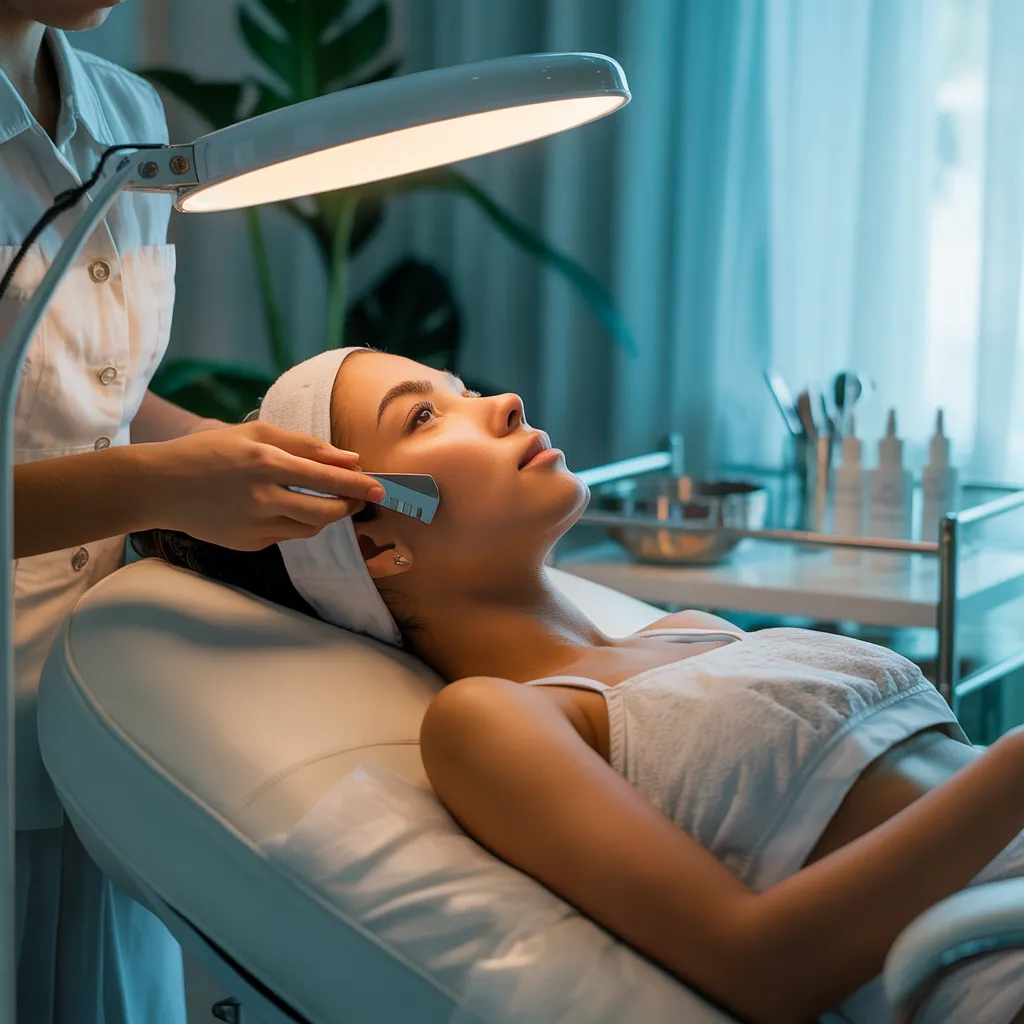
Dermaplaning is a sought-after skin treatment that centers on the meticulous exfoliation of the skin's exterior. This technique employs a sterile medical scalpel to carefully extract dead skin cells and fine vellus hair, frequently known as "peach fuzz." By clearing away these layers, dermaplaning supports a silkier skin texture and boosts the absorption of skincare formulations. The process typically takes around 30 minutes and is performed by a licensed skincare professional. It is suitable for various skin types but may not be recommended for individuals with active acne or certain skin conditions. After the procedure, skin may seem somewhat red but usually rebounds swiftly. Dermaplaning is commonly combined with extensive skincare routines to obtain superior results.
Benefits of Dermaplaning for Your Skin
Dermaplaning offers advantages that go further than simple exfoliation, offering a range of benefits for skin health and appearance. This technique effectively removes dead skin cells and vellus hair, resulting in a smoother skin texture. By promoting cell turnover, dermaplaning enhances skin radiance and enables better absorption of skincare products, maximizing their effectiveness. Additionally, it can help minimize the appearance of fine lines and acne scars, resulting in a more youthful look. Many people notice a decrease in the frequency of breakouts post-treatment, as unclogged pores promote healthier skin. Furthermore, dermaplaning can create a flawless canvas for makeup application, ensuring a seamless finish. In summary, this technique is a valuable addition to any skincare regimen.
How Frequently Should You Dermaplane?
How regularly should someone consider dermaplaning for optimal skin health? Generally, it is encouraged to dermaplane every three or four weeks. This timing enables the skin to thoroughly regenerate and provides optimal results by eliminating dead skin cells and peach fuzz. However, specific skin types and conditions may influence this frequency. For those with delicate or breakout-prone skin, greater intervals may be preferable to minimize irritation. Conversely, individuals with more resilient skin or more noticeable dead skin buildup might profit from more frequent treatments. It is vital to pay attention to the skin and consult with a skincare professional to determine the best schedule customized for specific needs and goals. Proper timing can substantially enhance the general effectiveness of your skincare routine.
Preparing Your Skin for Dermaplaning
Reaching optimal results from dermaplaning copyrights upon proper skin preparation. Before commencing the process, it is vital to thoroughly cleanse the skin to clear away any makeup, dirt, or oils. This confirms that the dermaplaning tool can glide smoothly across the surface, maximizing effectiveness. Gentle exfoliation a day prior can help eliminate dead skin cells, but avoid harsh scrubs to prevent irritation. Hydration is also critical; using a hydrating serum can prepare the skin and improve the procedure's effectiveness. Moreover, it is advisable to avoid sun exposure and harsh skincare products, such as retinoids, for a few days prior to the procedure. These steps collectively lead to a successful dermaplaning experience, promoting smoother and brighter skin.
Recovery Care Instructions for Peak Results
Adequate aftercare is essential for sustaining the advantages of dermaplaning and ensuring excellent skin health. Directly post-treatment, it is essential to avoid sun exposure. Wearing a broad-spectrum sunscreen with at least SPF 30 shields the freshly exfoliated skin and prevents potential damage. Moreover, individuals should abstain from using harsh chemicals, such as retinoids or AHAs, for a few days to allow the skin to recover. Keeping the skin nourished with a gentle moisturizer can improve healing and promote a radiant complexion. It is also wise to avoid strenuous exercise and hot environments for 24 hours to minimize irritation. By following these aftercare tips, individuals can maximize the transformative effects of dermaplaning, leading to healthier and smoother skin.
Frequently Asked Questions
Does Dermaplaning Work Safely for Every Skin Type?
Most skin types, including sensitive skin, can safely undergo dermaplaning. Nevertheless, anyone with active acne, eczema, or rosacea should speak with a dermatologist before undergoing the procedure to verify the treatment is suitable for their particular conditions.
Can I Do Dermaplaning at Home or Should I Seek Professional Help?
One can dermaplane at home using proper tools and techniques, but professional treatments guarantee safety and best results. Professionals recommend consulting a dermatologist to determine the most appropriate approach based on your skin type and concerns.
Can Dermaplaning Be Effective for Acne Scars?
Dermaplaning helps minimize the appearance of acne scars by sloughing away surface skin layers, accelerating cell renewal, and improving texture. Nonetheless, results can vary, and you should consult a professional for personalized skincare recommendations.
What Is the Average Length of a Dermaplaning Session?
A standard dermaplaning session lasts between 30 to 45 minutes. This time period includes preparing the skin, the actual dermaplaning treatment, and post-treatment care to ensure ideal results and skin health.
Are There Side Effects From Dermaplaning?
Dermaplaning may cause temporary side effects, including redness, sensitivity, and slight irritation. In rare cases, it might cause breakouts or infections if appropriate aftercare is neglected. Consulting a professional is suggested beforehand.